
For ages 9–16
Answers are everywhere.
Curiosity takes you further.
Think21 gives children real-world experiences to notice, question, connect and imagine what could be possible.
Notice.
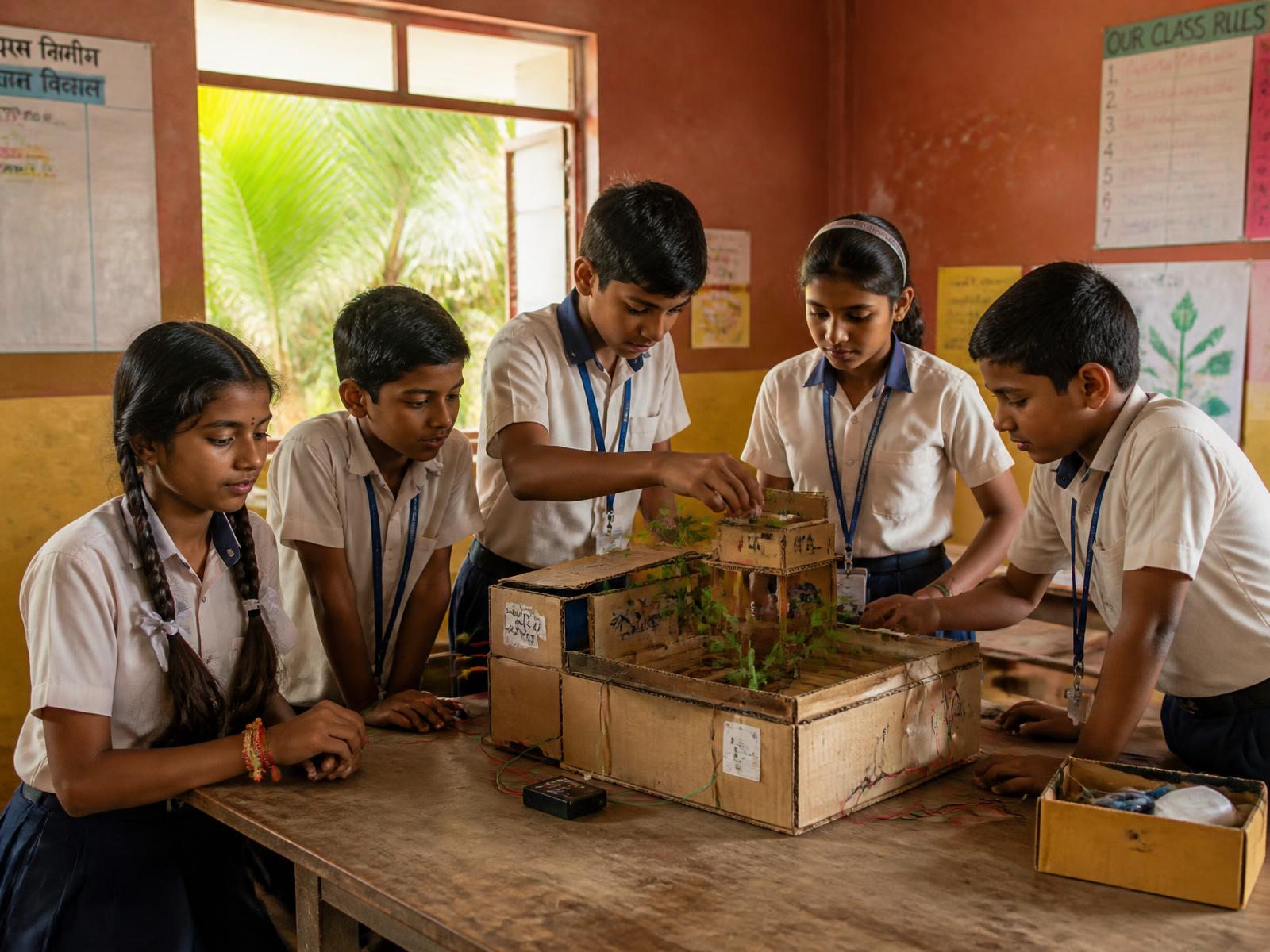
We have never had more answers.
- Search.
- Video.
- AI.
- Information.
- Instant access.
So what should children learn to do next?
- Notice.
- Question.
- Connect.
- Imagine.
Answers are valuable. Questions decide where learning goes next.
Try it yourself
Try Think21 yourself.
Look at the photograph. Then open each question — the way a child would on a Think21 experience.

- The same crop, planted the same way, for generations.
- A phone in one hand, a decision in the other.
- Nobody here is under forty.
- Who decides what gets planted?
- What does he know that no book records?
- What would change if the weather changed?
- How a price is set before the crop is grown.
- Where water comes from, and who else needs it.
- Why the young people left.
- Biology, economics and design, standing in one field.
- A question worth a whole term of work.
- An idea a 13-year-old decides to try.
That is how a Think21 experience begins.
Expansion
Learning should expand how a child thinks.
A child learns a fact.
What else could they notice?
A child learns an answer.
What question does that answer create?
A child learns a concept.
Where does this idea appear in real life?
A child sees a problem.
What else might be happening?
A child has an idea.
What could this become?
School builds knowledge. Think21 helps children connect, question, explore and apply that knowledge in the real world.
The connection
Learning becomes different when children see where it lives.
Physics
Classroom concept
Real machines
Math
Formula
Real decisions
Chemistry
Reaction
Materials, products, environment
Computer Science
Code
Systems and industries
Economics
Graph
Markets, businesses, communities
Biology
Concept
Farming, health, nature and life
Think21 helps children connect what they learn with the world they live in — across subjects, not inside one at a time.
The experience
Step out of the textbook.
Not away from learning. Into it.
Think21 takes learning into real situations, where children see how ideas work, meet the people who use them, ask their own questions and discover connections.
- Textiles
- Farming
- Manufacturing
- Technology
- Business
- Sustainability
- Design
- Cities
- Emerging technologies
Children don't simply hear about an industry. They:
- Observe it
- Meet people in it
- Ask their own questions
- Discover different perspectives
- See how subjects come together
- Find opportunities for change
This is not career counselling. The goal isn't to tell a child what career to choose. It is to help them understand how the world works — and discover what interests them.

The journey
See → Question → Connect → Create → Make a difference
Step 1
See
Notice what others may overlook.
Step 2
Question
Turn curiosity into meaningful questions.
Step 3
Connect
Bring together ideas, knowledge and perspectives.
Step 4
Create
Imagine, make and test possibilities.
Step 5
Make a difference
Use what they discovered to improve, help or create something meaningful.
And it loops. After testing an idea, children often go back to questioning and see the situation differently.
The difference
What changes for a child?
Curiosity
They notice what interests them and begin asking their own questions.
Independent thinking
They form their own understanding instead of accepting the first answer.
Confidence
They discover what they can do through actual experiences.
Agency
They experience that their ideas and actions can make a difference.
Think21 doesn't tell children who they should become. It gives them experiences to discover what they can become.
Experiences
What does a Think21 experience look like?
Missions, challenges and investigations — not ordinary classes.
Observation Missions
Notice what others overlook.
Question Labs
Turn curiosity into questions worth exploring.
Real-World Encounters
Meet people, industries, systems and situations beyond the classroom.
Connect the Dots
Discover connections between subjects, ideas, people and problems.
Moonshot Challenges
Imagine what could be possible beyond the obvious.
Make & Test
Build ideas, test them, learn and improve.
Reflect
Understand how your thinking changed.
Learning made visible
Make your learning visible.
Learning isn't only what a child knows.
It's what they notice. What they question. What they discover. What they connect. What they create. What they test. What they change.
And what they choose to do next.
Your child doesn't just complete a program. They build a record of their thinking.
- Questions
- Observations
- Discoveries
- Connections
- Projects
- Prototypes
- Reflections
- Changes in thinking
- Impact stories
Thinking & Impact Portfolio
My curiosity
My question
What I observed
What I discovered
What changed in my thinking
What I imagined
What I created
What I tested
What I changed
Who it helped
My impact
For parents
Give your child experiences, not just activities.
Your child doesn't need another place where someone tells them what to learn. They need opportunities to discover what interests them, explore the world, ask questions, make decisions, try ideas and learn from what happens.
Curiosity
They learn to notice and wonder.
Self-awareness
They discover what interests them and how they think.
Independent thinking
They learn to question assumptions and form their own understanding.
Self-agency
They experience themselves as capable of choosing, creating and acting.
The goal isn't to tell your child what they should become. It is to help them discover what they are capable of becoming.
For schools
Extend learning beyond the lesson.
Think21 works alongside schools to create experiences where students connect classroom knowledge with real-world situations, industries, people, problems and possibilities.
The curriculum builds knowledge. Think21 helps students experience where that knowledge can lead.
- · Experiential learning
- · Interdisciplinary learning
- · Project-based learning
- · ATL / innovation programs
- · Design thinking
- · Industry exposure
- · Student-led problem solving
- · Classroom subject connections
Led by Pooja Sharma — Educator · Tinkerpreneur Mentor, Atal Innovation Mission.
Evidence
What we document is how thinking changed.
Photographs from our workshops — hands in material, ideas being explained, tested and rebuilt.
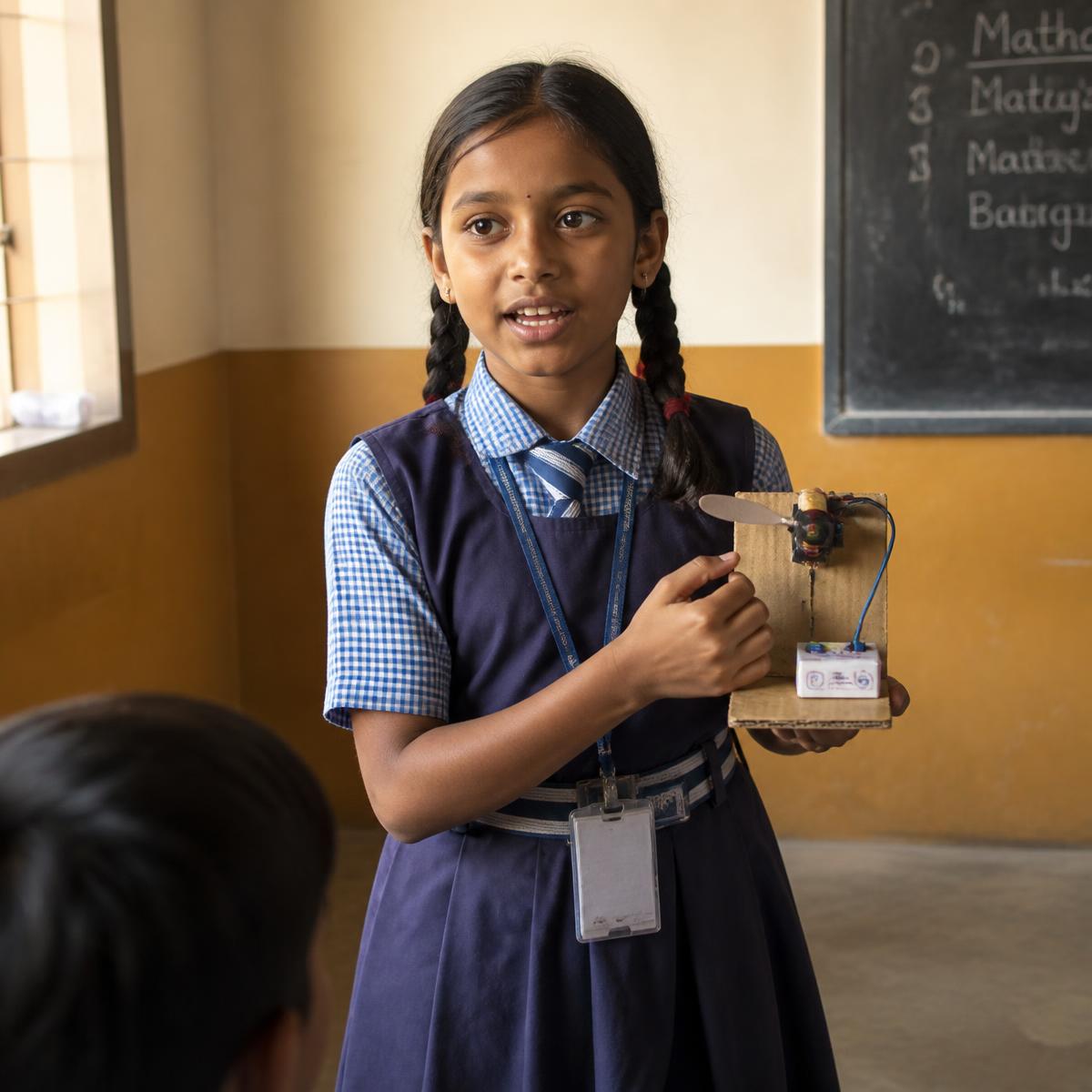
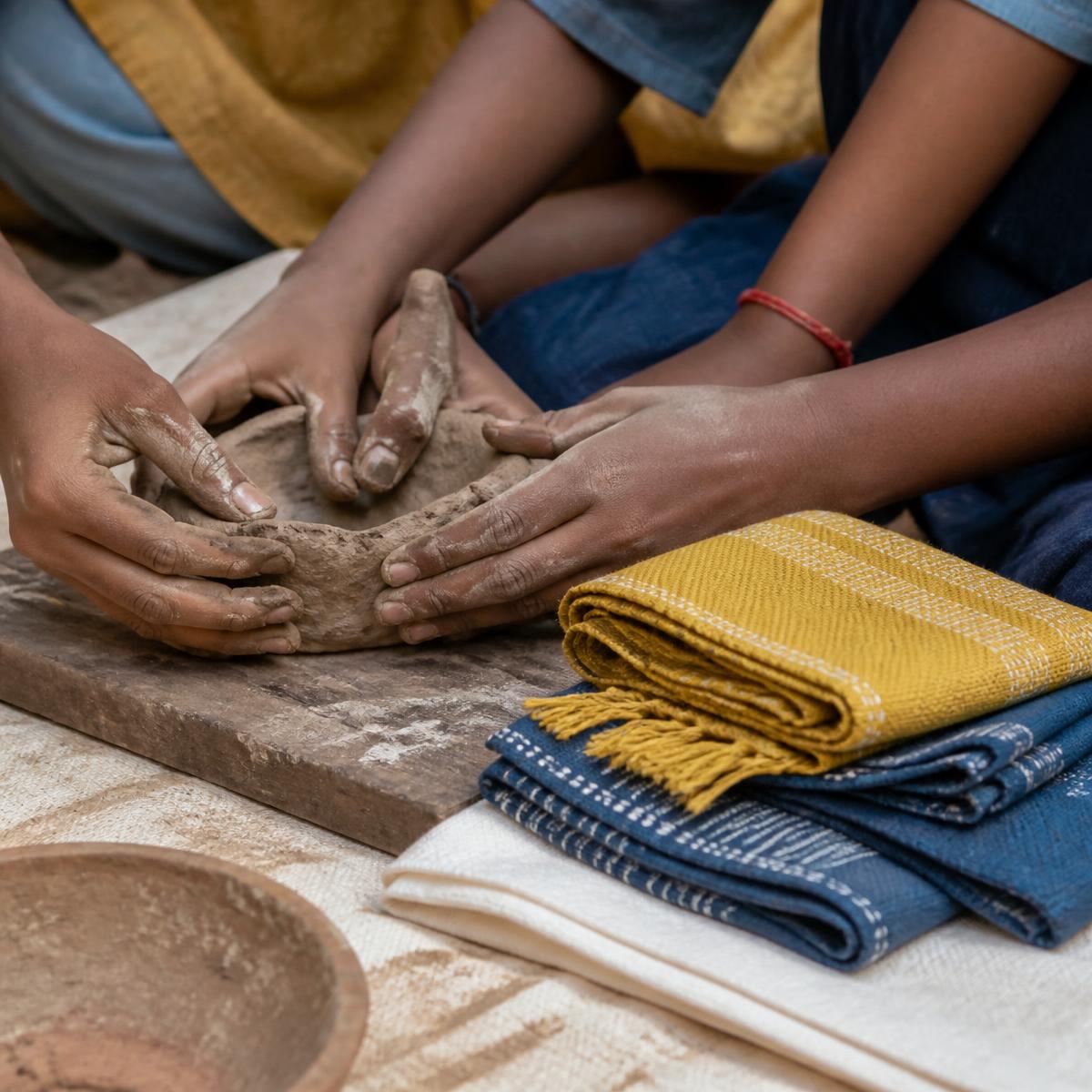
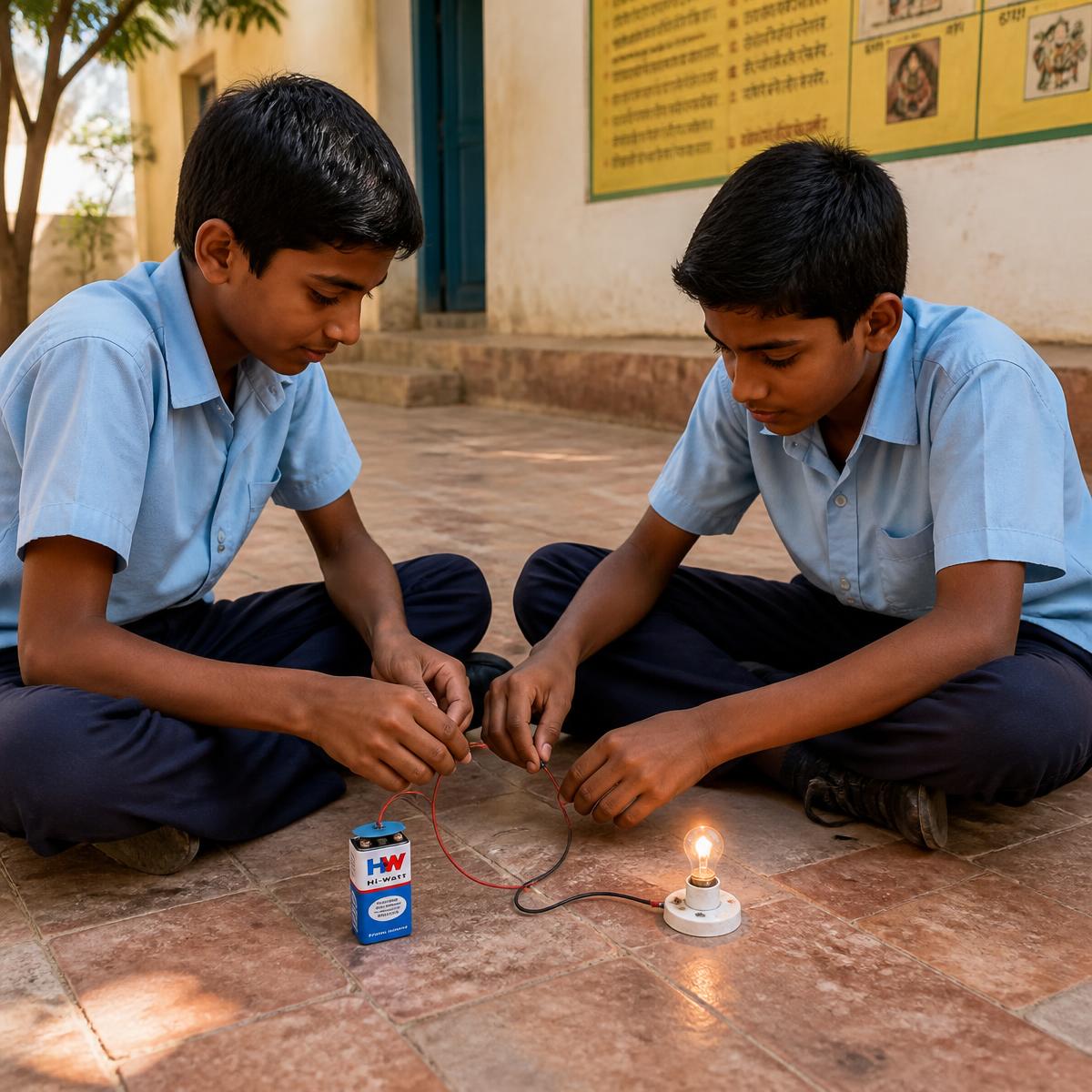
How we record student learning
I thought…
I experienced…
I discovered…
Now I think…
My next question is…

Why Think21 exists
What do children actually need when the world can already give them answers?
I began with that question — as an educator, and as a parent watching children grow up surrounded by instant answers.
What I kept seeing was that children were rarely short of information. They were short of chances to explore their own curiosity, meet the real world, form their own view and try something.
So I started designing experiences around that: know yourself, follow your curiosity, go see the world, think it through, connect ideas, make something, act — and notice what changed.
That work became Think21.
It never started with the answers someone gave me. It started with the questions I had.
Pooja Sharma — Educator · Tinkerpreneur Mentor, Atal Innovation Mission · Bengaluru
How it works
Three simple steps
- 1
Reach out — message us on WhatsApp or fill the short form.
- 2
We share upcoming experience dates, or set up a school consultation call.
- 3
Your child begins: See → Question → Connect → Create → Make a difference.
Explore Think21
Start with a conversation
Small groups, ages 9–16. Tell us a little about your child and we'll share the next available experiences on WhatsApp.
Prefer to just chat? Message us on WhatsAppWhat could your child discover if they looked a little further?
- A question they hadn't thought to ask.
- A connection they hadn't noticed.
- A possibility they hadn't imagined.
- An idea they decided to try.
- A capability they discovered in themselves.
- A change they helped create.
Learning can lead somewhere.
Not sure where to start? Let's talk.
Whether you're a parent curious about the next experience, or a school exploring a partnership — you can reach Pooja directly.